


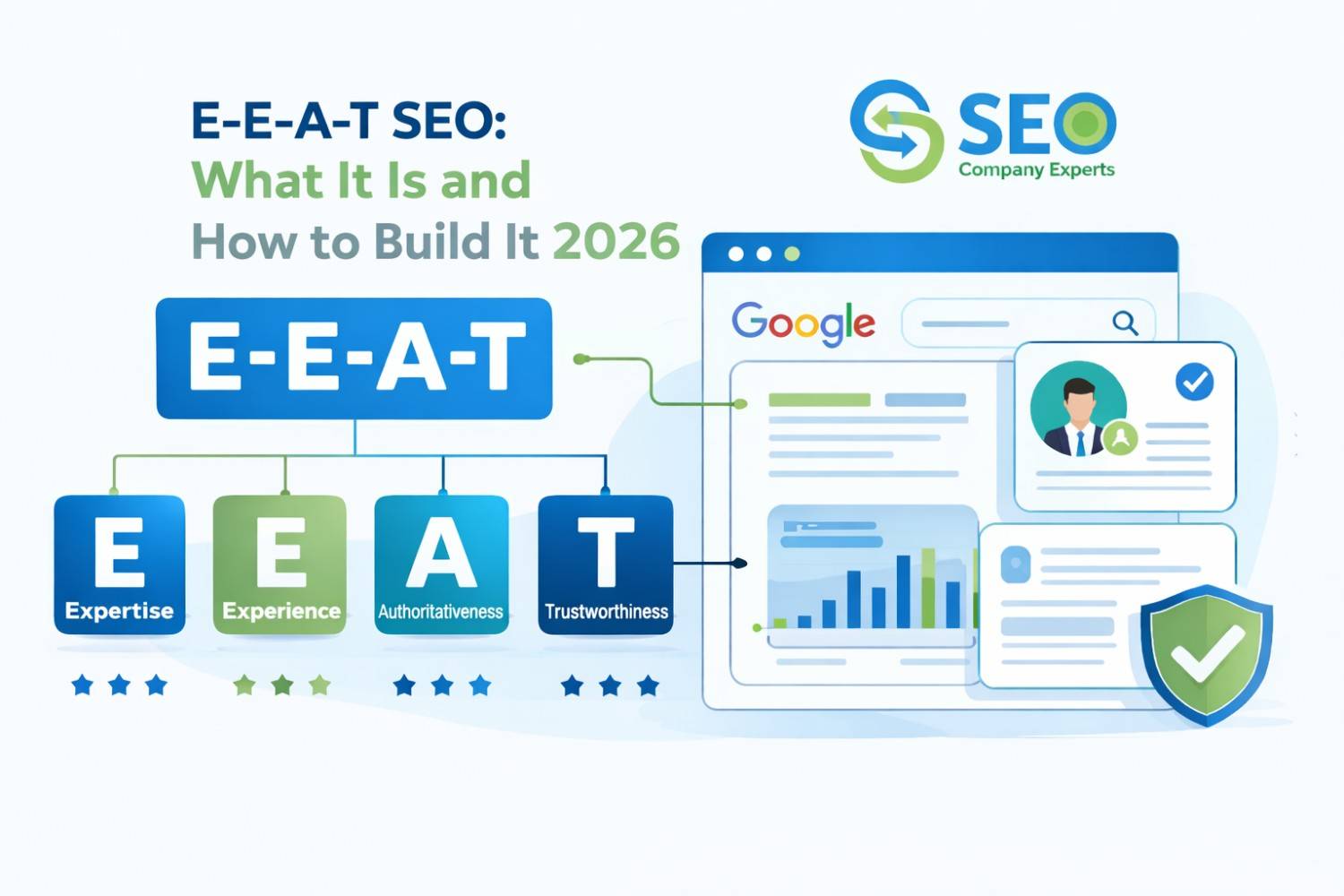
E-E-A-T SEO: What It Is and How to Build It i...
Read More
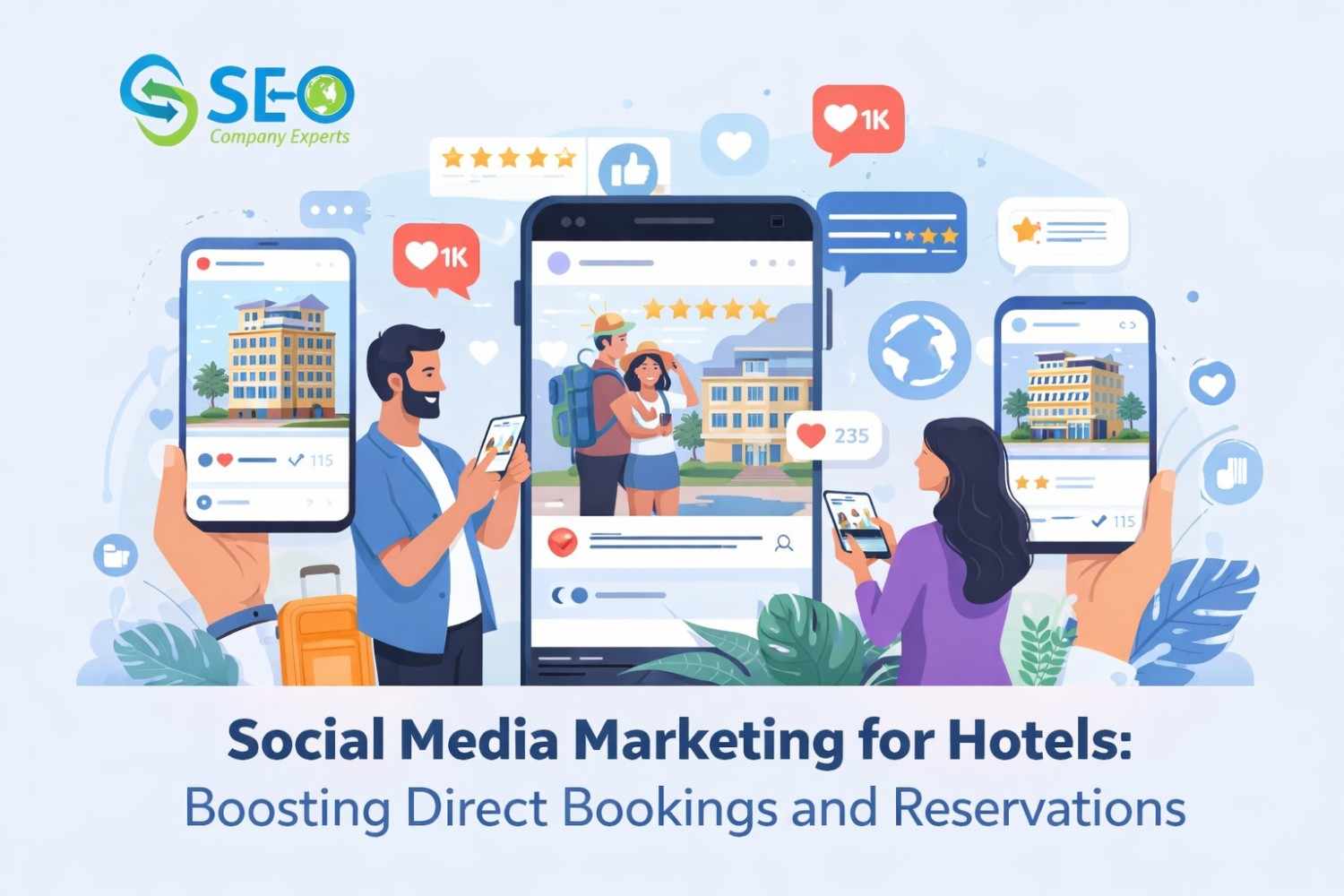
The hospitality industry has changed dramatically in the last few years. Travelers no longer depend only on travel agents or booking websites to choose a hotel. Today, most guests discover hotels while scrolling through social media, watching travel reels, reading reviews, and following influencers. This shift has made Social Media Marketing for Hotels one of the most powerful tools for increasing direct bookings and long-term brand visibility.
For hotels of all sizes, social media is not just about likes and followers. When used correctly, it becomes a direct revenue channel that helps reduce dependency on OTAs, builds trust with potential guests, and encourages repeat bookings. In this blog, we will explore how Hotel Social Media Marketing works and how hotels can use it strategically to boost reservations.
Social media influences almost every stage of a traveler’s journey. From dreaming about a destination to comparing hotels and finally making a booking decision, platforms like Instagram, Facebook, and YouTube play a key role.
Travelers trust visual content and real experiences more than traditional ads. When they see real guest photos, hotel walkthrough videos, or honest reviews, it creates confidence. Social media also allows hotels to communicate directly with potential guests, answer questions instantly, and promote offers without paying high commissions to third-party platforms.
This direct connection is what makes Social Media Marketing for Hotels such a valuable investment.
Not every social media platform works the same way, and hotels do not need to be active on all of them. The focus should be on platforms where your target audience spends the most time.
To make this easier to understand, here is a clear comparison of major social media platforms and their role in hotel marketing:
| Platform | Best Content Types | How It Helps Increase Direct Bookings |
| Reels, stories, high-quality photos, short videos | Inspires travelers visually, highlights rooms and experiences, and drives users to booking links | |
| Posts, reviews, events, offers, ads | Builds trust through reviews, enables guest interaction, and supports targeted ad campaigns | |
| YouTube | Hotel tours, guest experiences, destination guides | Helps guests visualize their stay and increases booking confidence |
| Business updates, corporate travel content | Attracts corporate travelers and event planners | |
| TikTok | Short videos, trends, behind-the-scenes clips | Boosts brand discovery and reaches younger travel audiences |
Choosing the right platform mix allows hotels website SEO to focus their efforts and get better results from Hotel Social Media Marketing.
Content is the backbone of successful social media marketing. Hotels must focus on content that not only looks good but also encourages travelers to take action.
Visual storytelling works best in the hospitality industry. High-quality images and videos of rooms, pools, restaurants, spas, and views help guests imagine their stay. Short videos, especially reels and stories, perform exceptionally well because they capture attention quickly.
User-generated content is equally powerful. When guests share photos or videos from their stay and tag the hotel, it acts as social proof. Reposting this content builds trust and shows authentic experiences, which directly influences booking decisions.
Hotels should also share:
Balanced and informative content is essential for effective Social Media Marketing for Hotels.
Trust plays a major role in hotel bookings. Travelers want reassurance that they are choosing the right property.
Actively responding to comments, messages, and reviews shows professionalism and care. A quick response to a booking query on Instagram or Facebook can often be the final push a guest needs to confirm their reservation.
Sharing reviews and testimonials also strengthens credibility. Video testimonials or short review graphics help potential guests feel more confident about their decision.
Behind-the-scenes content, such as cleaning processes, kitchen preparation, or staff training, adds transparency and humanizes the brand. This approach builds emotional connection, which is a core strength of Hotel Social Media Marketing.
Influencer marketing has become a popular strategy in the hotel industry. Travel influencers and content creators can showcase hotel experiences in a way that feels natural and relatable.
Hotels should focus on partnering with influencers whose audience matches their target market. Micro-influencers often deliver better engagement because their followers trust their recommendations.
Collaborations can include:
When done authentically, influencer partnerships can significantly improve reach and direct bookings.
Organic reach is valuable, but paid social media ads help hotels scale their visibility faster. Platforms like Facebook and Instagram offer advanced targeting options that allow hotels to reach travelers based on interests, location, and behavior.
Retargeting ads are especially effective. These ads reach users who have visited the hotel website or interacted with social media content but did not complete a booking. Showing them personalized offers increases conversion rates.
Clear calls-to-action such as “Book Now,” “Check Availability,” or “Get Exclusive Offer” guide users directly to the booking page, improving ROI from Social Media Marketing for Hotels.
For social media to drive real results, it must connect smoothly with the hotel’s website and booking engine. Booking links should be easy to find in bios, stories, and posts.
Social media campaigns should lead to dedicated landing pages that match the offer being promoted. A smooth and simple booking process reduces drop-offs and increases direct reservations.
This integration ensures that Hotel Social Media Marketing directly contributes to revenue, not just engagement.
To understand what works, hotels must track key performance metrics. Engagement rate, website traffic, click-through rates, and direct bookings from social media provide valuable insights.
Regular analysis helps hotels refine their content strategy, posting schedule, and ad campaigns. Continuous optimization ensures long-term success and better returns on investment.
Many hotels struggle with social media due to common mistakes such as inconsistent posting, overly promotional content, ignoring guest interactions, or not measuring results.
Avoiding these mistakes helps maintain a strong brand presence and improves guest trust. Social media should feel engaging, helpful, and authentic not sales-focused all the time.
Social media has become a powerful driver of hotel bookings and brand growth. With the right platforms, engaging content, strategic advertising, and consistent interaction, hotels can successfully increase direct bookings and reduce dependency on third-party platforms.
By focusing on authenticity, storytelling, and guest experience, Social Media Marketing for Hotels turns casual followers into loyal guests. When implemented correctly, Hotel Social Media Marketing is not just a promotional tool it is a long-term growth strategy that delivers measurable business results.