



How Can Content Marketing Strategies Boost Au...
Read More
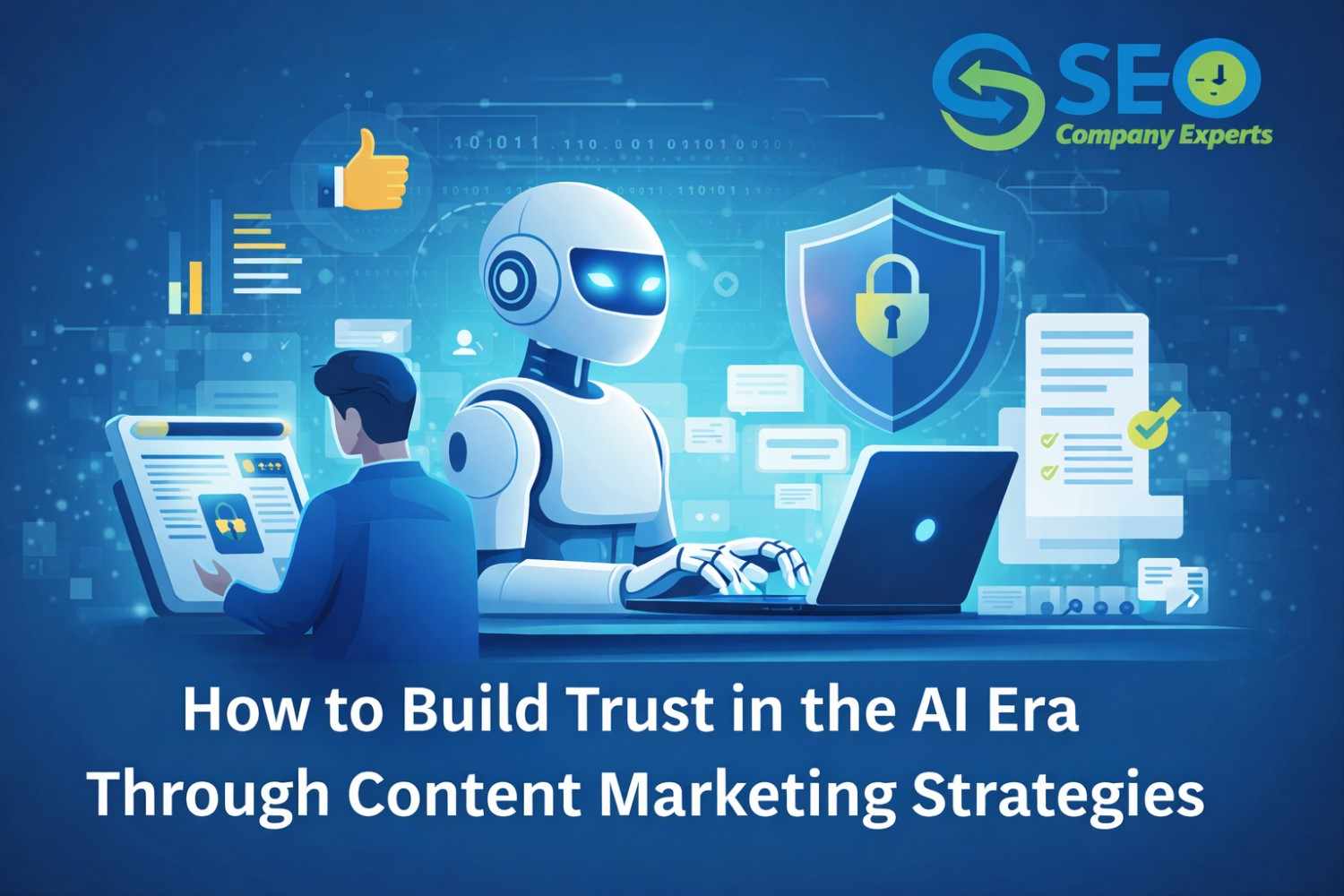
Artificial intelligence is transforming the way brands create, optimise, and distribute content. From AI-powered writing assistants to data-driven personalisation tools, businesses can now scale content faster than ever before. Content Marketing Strategies. However, this rapid evolution has also raised a critical concern among audiences: can AI-driven content be trusted?
In an age where readers are constantly exposed to automated messaging, deepfakes, and algorithm-generated information, trust has become the most valuable digital currency. Content marketing plays a central role in bridging the gap between advanced technology and human connection. This blog explains how brands can build credibility, transparency, and long-term trust in the AI era through smart, ethical, and human-focused AI Content Marketing Strategies.
Trust has always influenced buying decisions, but in the AI era, it directly determines whether audiences engage with your brand at all. Users are more cautious than ever, questioning the accuracy, authenticity, and intent behind the content they consume. If content feels manipulative, overly automated, or misleading, trust is lost quickly and rebuilding it is difficult.
Content marketing helps establish authority and reliability by offering value instead of sales pressure. When brands focus on solving problems, educating audiences, and sharing honest insights, they signal credibility. In contrast, content created solely for algorithms often lacks emotional depth, making it harder for audiences to connect.
Content marketing is uniquely positioned to foster trust because it is based on communication rather than promotion. Informative blogs, guides, videos, and thought leadership pieces allow brands to demonstrate expertise and empathy at the same time.
In the AI era, trust-building content must reassure readers that real people are guiding the strategy even if AI tools are involved behind the scenes. This human layer transforms content from generic information into meaningful guidance.
Effective content marketing builds trust by:
Over time, this consistency helps brands become dependable sources of knowledge rather than just another name in the market.
AI is not the enemy of trust irresponsible usage is. When brands rely entirely on automation without oversight, content can feel shallow, repetitive, or disconnected from user intent. Responsible use of AI focuses on efficiency while preserving human judgment.
Strong AI Content Marketing Strategies ensure that AI supports research, ideation, and optimization, while humans remain responsible for creativity, storytelling, and ethical decision-making. This balance helps maintain quality and credibility.
Key principles for responsible AI content usage include:
When audiences sense care and intention behind the content, trust naturally follows.
Transparency is essential when AI is part of your content workflow. Readers don’t necessarily reject AI-generated content but they do reject deception. Being open about how content is created fosters confidence and credibility.
To Build Trust with AI Content Marketing Strategies, brands should clearly communicate their values and processes. This doesn’t mean highlighting AI usage everywhere, but it does mean avoiding misleading claims or pretending automation doesn’t exist.
Trust-building transparency can include:
Transparency shows respect for the audience’s intelligence and reinforces ethical standards.
Educational content is one of the most powerful trust-building tools in the AI era. Audiences want clarity, not confusion especially when topics involve technology, data, and automation.
Content that breaks down complex ideas into simple, actionable insights positions your brand as a reliable guide. Instead of focusing on selling, value-driven content focuses on helping readers make informed decisions.
Examples of high-trust educational content include:
Brands offering professional Content Marketing Services often stand out by consistently publishing content that prioritizes usefulness over promotion.
Consistency builds familiarity, and familiarity builds trust. When users encounter the same tone, messaging, and values across blogs, emails, social media, and landing pages, they feel more confident engaging with the brand.
AI tools can help maintain consistency at scale, but the strategy behind them must be human-led. Without clear guidelines, automation can lead to fragmented messaging and diluted brand identity.
To maintain trust through consistency:
A consistent presence reassures audiences that your brand is stable, reliable, and professional.
AI-driven marketing often relies on data, which makes privacy and ethics critical trust factors. Modern consumers are highly aware of how their data is collected and used, and silence on these topics can raise red flags.
Content marketing provides a platform to address these concerns openly. Thought leadership articles, transparency pages, and ethical statements help audiences understand your brand’s stance on responsible AI usage.
When brands proactively communicate about privacy, consent, and ethics, they reduce uncertainty and strengthen credibility. Trust grows when users feel informed rather than exploited.
AI can analyze trends and patterns, but human expertise adds depth, context, and emotion. Featuring real professionals marketers, strategists, or industry experts in your content adds authority that automation alone cannot provide.
Expert-driven content feels more grounded and reliable. It reassures readers that insights come from experience, not just algorithms. This combination of AI efficiency and human understanding creates content that resonates deeply with audiences.
High-quality Content Marketing Services often succeed because they integrate AI tools with strategic human oversight, delivering scalable yet authentic content.
Trust is not measured by clicks alone. While AI analytics tools provide valuable data, true trust is reflected in long-term engagement and audience loyalty.
Indicators of trust include:
When audiences consistently engage with your content, it signals confidence in your brand’s credibility and value.
As AI continues to evolve, content volume will increase but trust will remain scarce. Brands that focus on ethics, transparency, and human connection will stand out in an increasingly automated digital Marketing space.
The future of content marketing lies in collaboration between AI and humans, not competition. Technology will handle efficiency, while people will handle empathy, creativity, and judgment.
Building trust in the AI era requires intention, responsibility, and authenticity. Content marketing remains one of the most effective ways to connect with audiences in a meaningful way when done right.
By using AI wisely, prioritizing transparency, and focusing on real human value, brands can create content that informs, inspires, and earns lasting trust. In a world shaped by algorithms, trust will always be built through human understanding.